Friendship, kinship, and communalization is at the heart of working against empire, across the hierarchical divides of heteropatriarchy, white supremacy, colonization, ableism, ecocide, and other systems that have taught us to enact violence on each other and internalise oppressive ways of relating. To make kin across these divisions is a precarious and radical act. Everyone knows how difficult this can be, and how people fuck up, hurt each other, and blame each other. Empire works to keep its subjects stuck in individualizing sadness, held in habits and relationships that are depleting, toxic, and privatized, in coupledom and the nuclear family. To be more present, in contrast, means tuning in to that which affects us, and participating actively in the forces that shape us. In light of this, radical community building comes not from avoiding pain, but by struggling amidst and through it. To make space for collective feelings of rage, grief, or loneliness can be deeply transformative.
Interdependent relationships is a source of collective power, a dangerous closeness that empire works to eradicate through relentless violence, division, competition, management, and incitements to see ourselves as isolated individuals or nuclear family units. Creating intergenerational webs of intimacy and support is a radical act in a world that has privatized child rearing, housing, subsistence and decisionmaking. Challenging the nuclear family is not about a puritanical rejection of anything that resembles it; it is about creating alternatives to its hegemony, to the dismembering of social relations, to the spatial division of people through suburbanization, incarceration, schooling, dispossession, and displacement. Initially, we can build such relations on a formation of common notions: people figuring out together what sustains transformation in their situations, and how to move with it and participate in its unfolding.
To build our radical, autonomous, oppositional communities where we practice living (more) independently from the systems we oppose, we need to face that community is more than a comforting word. We want to support in creating forms of life in which political activism is not separated from the task of our daily reproduction, so that relations of trust and commitment can develop that today remain on the horizon. We need to put our lives in common with the lives of other people to have movements that are solid and do not rise up and then dissipate. Hurt, inconvenience, misunderstanding are parts of life, human relations, and thus, part of community. And the community will annoy us.
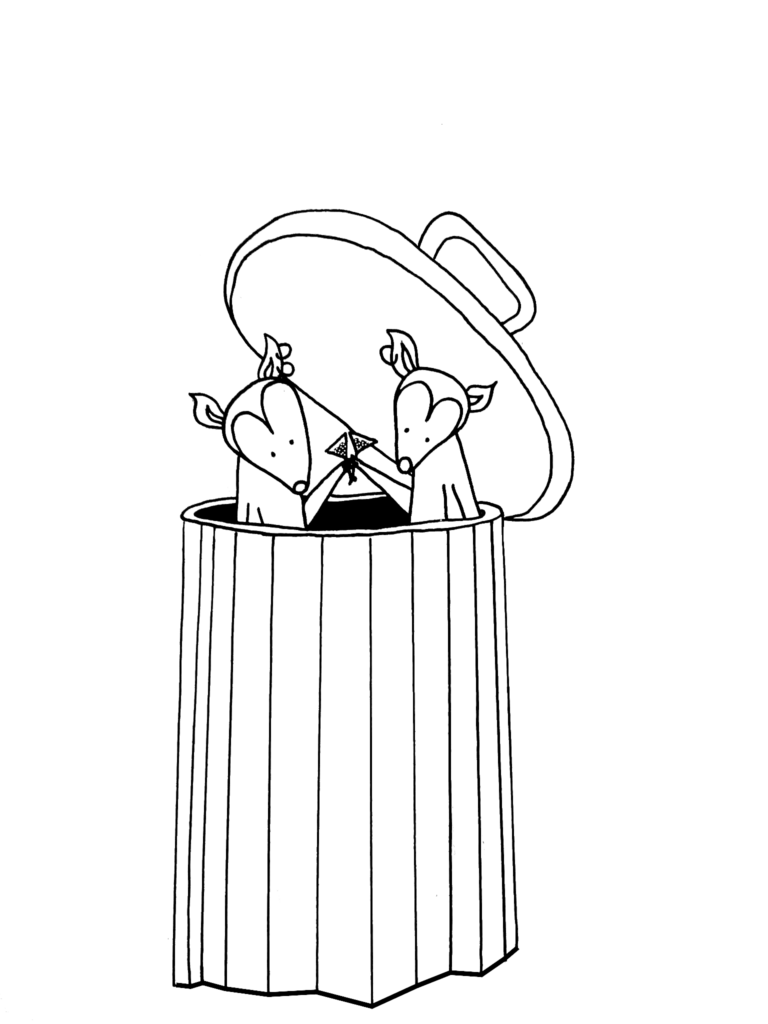
So cheers, let’s build communities straight from the trash that this system has implanted in us!